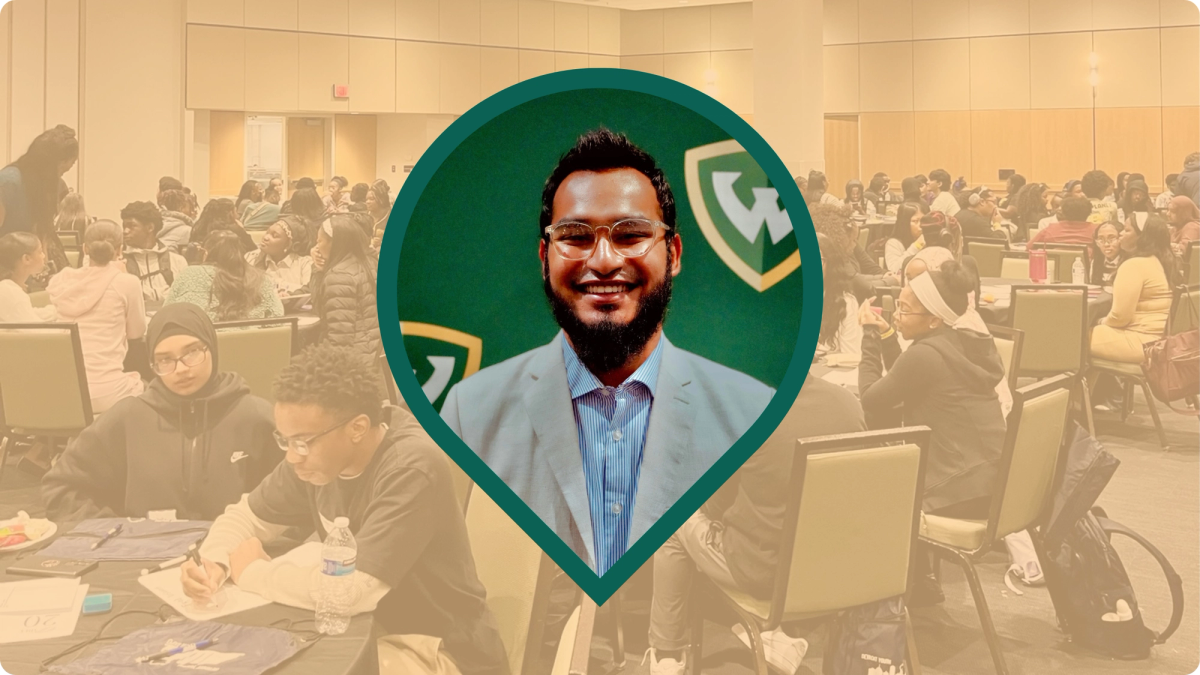
Patron in the City: Mohammad Muntakim
We believe that passionate individuals can spur change in their communities. We refer to those individuals as Patrons in the City, dedicating their time, sweat, and energy to building vibrant communities.
In April 2026, Patronicity relaunched the Lighter, Quicker, Cheaper Challenge for a second round, encouraging project creators from across America to join for a chance to win a bonus grant of up to $5,000 for their community initiative. Through spring and summer, fourteen campaigns featuring a diverse range of ideas competed for the grant, mobilizing their communities to give and get involved by spreading the word.
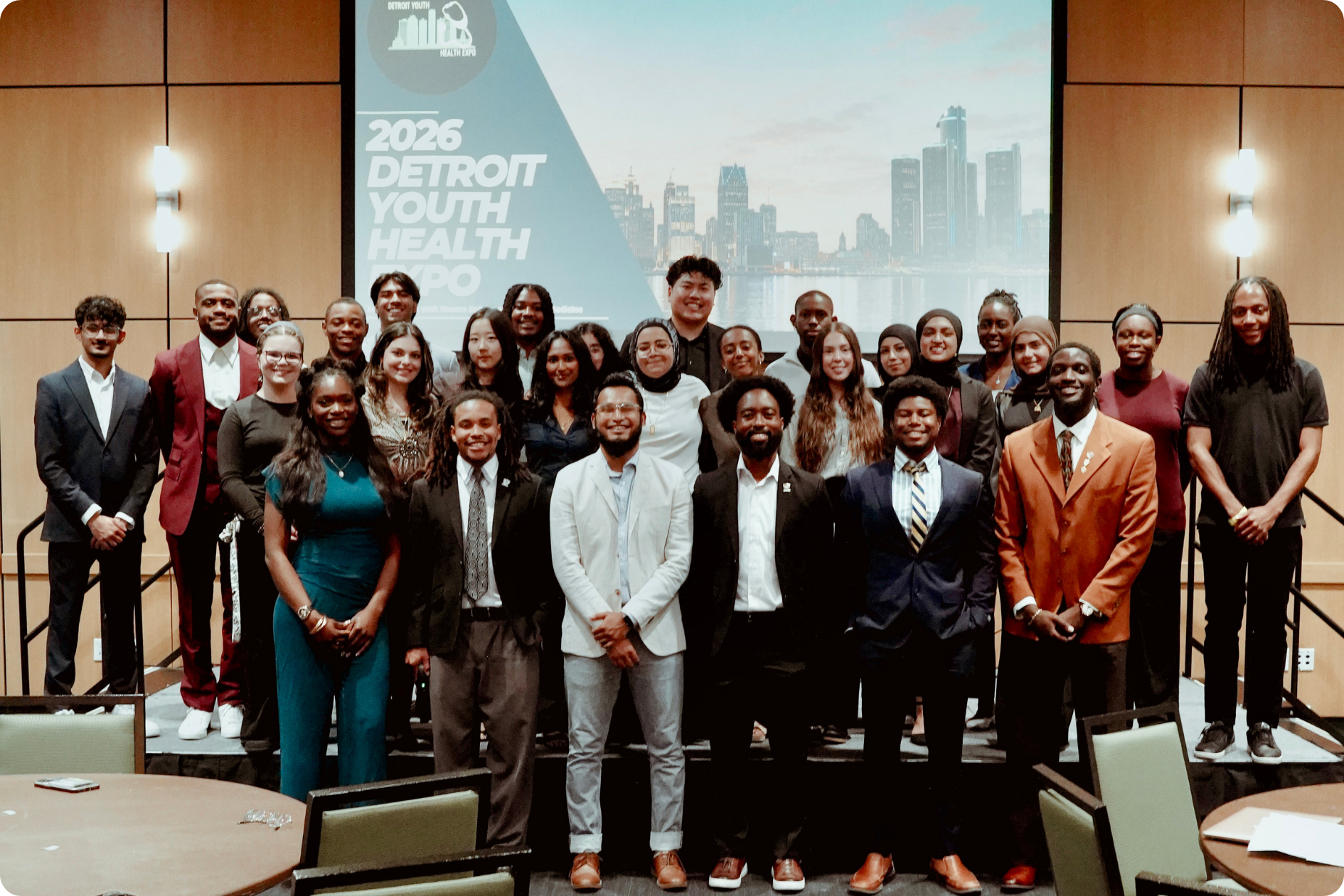
It was a close finish, with more than 450 donations coming in for our final four contestants in the last three days of the Challenge window. In the end, the Detroit Youth Health Expo campaign secured the win, with 384 unique patrons raising $8,011. 89% of the donors gave $25 or less, showcasing that when a community comes together in little ways, it can have a massive impact. With $13,000 in hand, the Detroit Youth Health Expo team was able to further the opportunities they provided at their fourth annual healthcare conference, expanding it into a two-day event with resources for high-school, undergraduate, and graduate students.
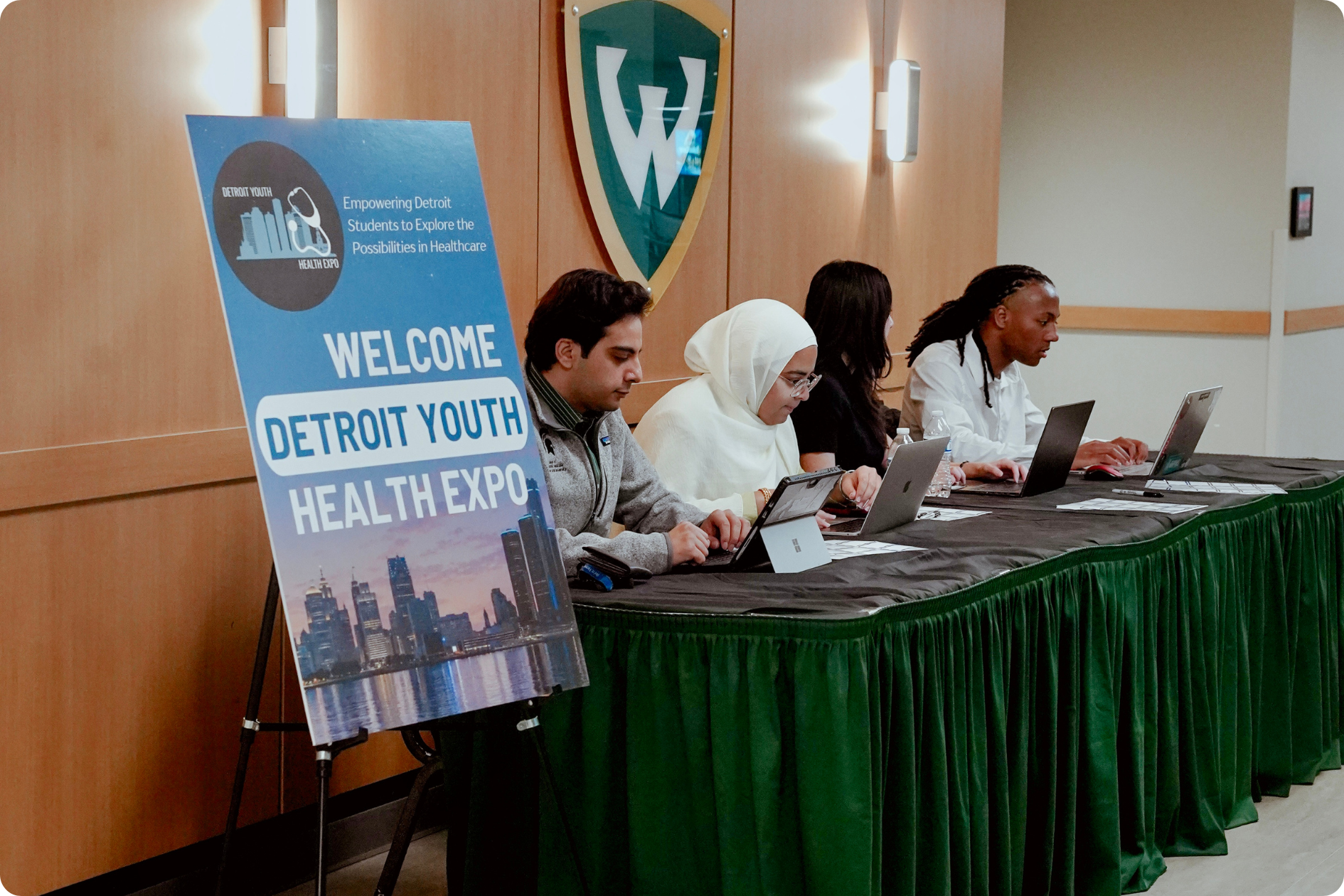
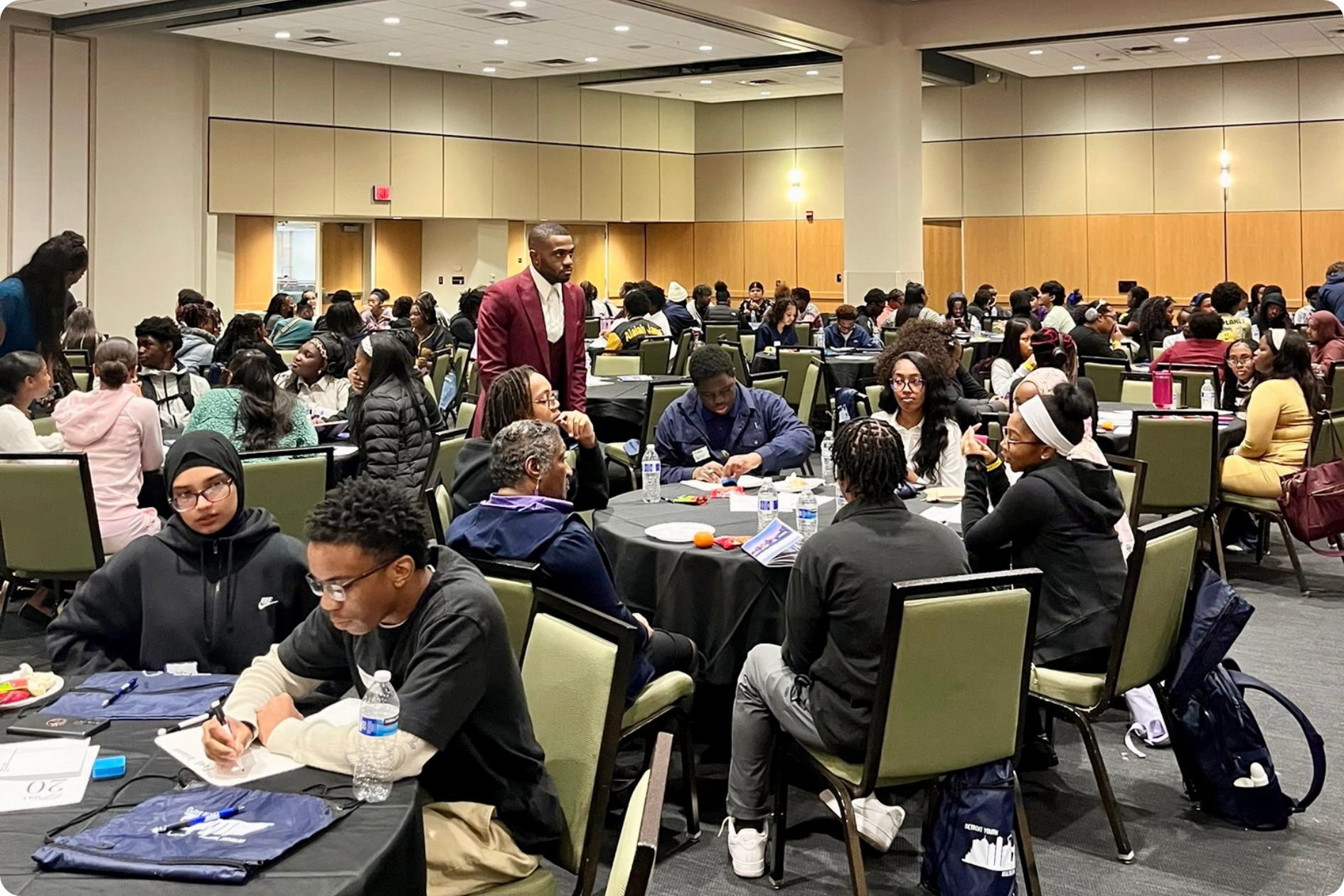
The annual conference is put on by Wayne State University students to help local youth explore the wide variety of jobs within the medical field. This event provides hands-on experiences and networking opportunities to connect students with the mentors and resources they need while providing the space to learn more about the future career paths available to them.
Mohammad Muntakim, a second-year WSU School of Medicine student, co-founded the Detroit Youth Health Expo in 2023 and led the 2026 Patronicity campaign. By the age of 23, he has already earned a Bachelors in Public Health and a Masters of Business Administration. Mohammad intends to use this unique combination of studies to pursue a career in shifting healthcare systems to improve the medical care standards and possibilities available in Detroit.
We talked with Mohammad to learn more about shifting the narrative and supporting our youth.
Patronicity: Why do you love where you live and work? Tell us about your community!
Mohammad: My parents took a bet on Detroit—against warranted advice from many, they decided to move the family to Detroit during one of the worst municipal crises in American history. However, it was the best investment. Detroit is a city of grit and resilience—a culture that brings together diverse communities striving to be better each day. A humble, gritty approach to life has enabled me and my family with the opportunities we came searching for across the Atlantic.
I had the privilege of studying in Detroit, from elementary years to graduate degrees. Being a medical student at Detroit Medical College allows me to directly engage with the broader patient population of the city. Detroit has too often been neglected and underfunded, but the residents of this community are determined to shift narratives and build infrastructure, and that gives me hope. I want to be a part of this effort.
Patronicity: What was your project, and why was it necessary?
Mohammad: I had the privilege of co-founding Detroit Youth Health Expo with two of my friends and current medical students Andrew Robinson and James Wairagu. Detroit Youth Health Expo is an annual exposition showcasing the variety of health careers to Detroit students while connecting them to mentors and resources to further support their educational pursuits. This initiative aims to create pipeline pathways to medicine and other health careers for Detroit youth.
The core mission of this program is the duality of career stability and commitment to community, both of which Detroit is eager for. Data indicates that healthcare is the fastest growing industry and provides the most career stability. Additionally, research indicates that students from urban communities are twice as likely to return to serve their respective communities. This dual mission of the Detroit Youth Health Expo centers the need of Detroit in not only building stability in the workforce but also retaining quality talent in the community.
Patronicity: What inspired you to get involved or build this project?
Mohammad: Not so long ago, national headlines read, “Detroit has an achievement gap.” However, in reality, it is merely an opportunity gap, because when you give Detroit students the same resources as their counterparts across the state and the country, they can compete with the best of the best!
This initiative focuses on bridging that opportunity gap—providing access to Detroit students to explore the endless possibilities in healthcare, build long-lasting mentorship networks, and attain the guidance to seek their dream careers! Detroit deserves better. It is time to shift the national narrative surrounding students in Detroit—the Detroit Youth Health Expo is aiming to be a part of that shift.
Patronicity: What have been the results of your crowdfunding campaign? How has the project changed your community?
Mohammad: With the generous support of the crowdfunding campaign, for the first time, the Detroit Youth Health Expo is expanding to a two-day conference with programming catered toward high school, undergraduate and graduate students to explore the future of healthcare through hands-on stations, various panel discussions, opportunity for research submissions, and networking opportunities. Also, this year we introduced the Inaugural Fundraising Boat Gala on the Detroit River to celebrate the expo as well as build toward the future.
Patronicity: How has the community responded to your project?
Mohammad: From a simple conversation among friends about the need for programing for Detroit students to now hosting a conference annually about the healthcare industry—the success has been overwhelming! Our project is an indication that student ideas can translate into real results if leadership across the board—from university to community—are willing to buy into the vision. We are grateful for the support of the entire community in this city!
Patronicity: What do you hope community members take away from this project?
Mohammad: This is just the beginning—after realizing the need to expand beyond just high school students to now include programming for undergrad/grad students, it is evident that this project is willing to be innovative to meet the needs of Detroit students. We hope our work can invite partners to join us, attract sponsors to fund us, and most importantly inspire Detroit to believe in its youth!
Patronicity: How did participating in the Lighter, Quicker, Cheaper Challenge affect your overall project and provide greater impact?
Mohammad: The Lighter, Quicker, Cheaper Challenge has not only enabled us to grow our budget to host the program but enabled us to complete the expansion of the expo. Initially a one day program dedicated for high schoolers became a two-day conference hosting various students in Detroit.
Additionally, it enabled our impact and influence to reach beyond the scopes of Detroit as many donors from other communities supported the mission and focused on shifting narratives.
Patronicity: What could other communities learn from your project?
Mohammad: Too often, the bureaucracy of an idea limits the potential of its development. However, I hope this story can highlight that a group of students saw a gap in their community and chose to make an effort at creating change—a lesson that a willingness to fill gaps in your respective community will yield great returns.
Patronicity: If someone wanted to become more involved in their community, what advice would you give them?
Mohammad: Sustainable change requires a commitment to building an idea into infrastructure to impact lives, which is only possible with a team of like-minded individuals. If you want to start, first identify the needs of your respective community, then build a team around you, and finally commit to doing the work to improve predicaments.
Build your idea.
The Lighter, Quicker, Cheaper Challenge is a recurrent Patronicity initiative that empowers local changemakers to develop strategies for implementing inexpensive, flexible, and quick improvements to enhance the quality of life in their communities. Through the Challenge, participating campaigns compete within a specified window to raise funds from the greatest number of unique patrons, with the winner taking home a bonus $5,000 grant. So far, the program has generated $85,199 for community projects from 2,087 patrons.
Get started on your page for change now at patronicity.com/lqc-grant.
If your organization wants to start its own challenge grant program to encourage change in your community, contact us at challenge@patronicity.com.